
起 $113,641
Rogantini Swiss Village
查克维
起 $113,641
$2,880/平方米起
2027
开发商: Sak Tur Kurort
37–144 平方米 · $2,677 – $4,399/平方米
分期 26 个月 · 首付 20%
点击查看
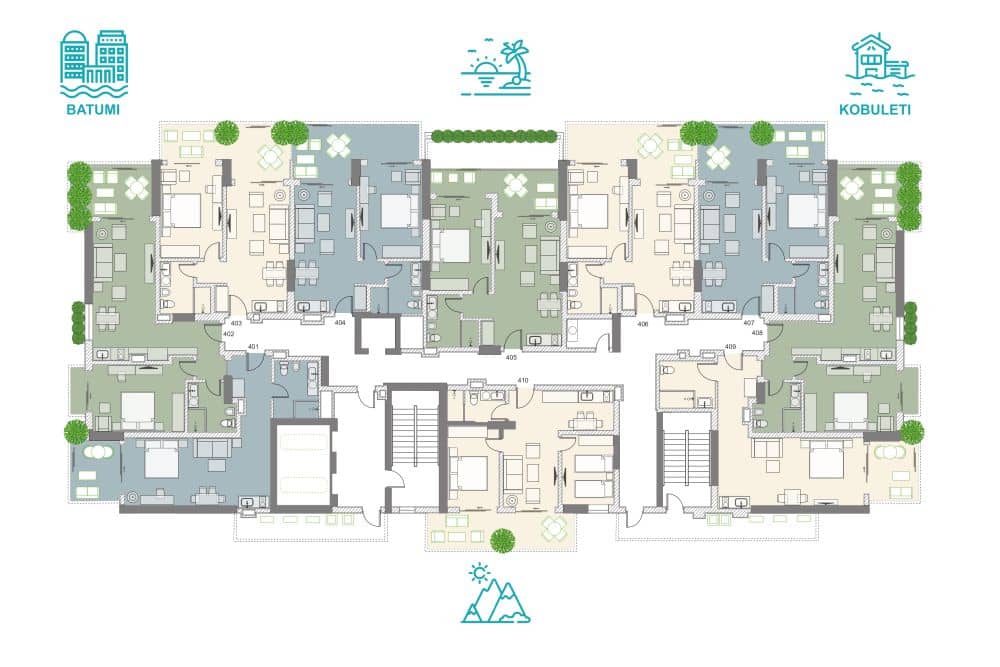
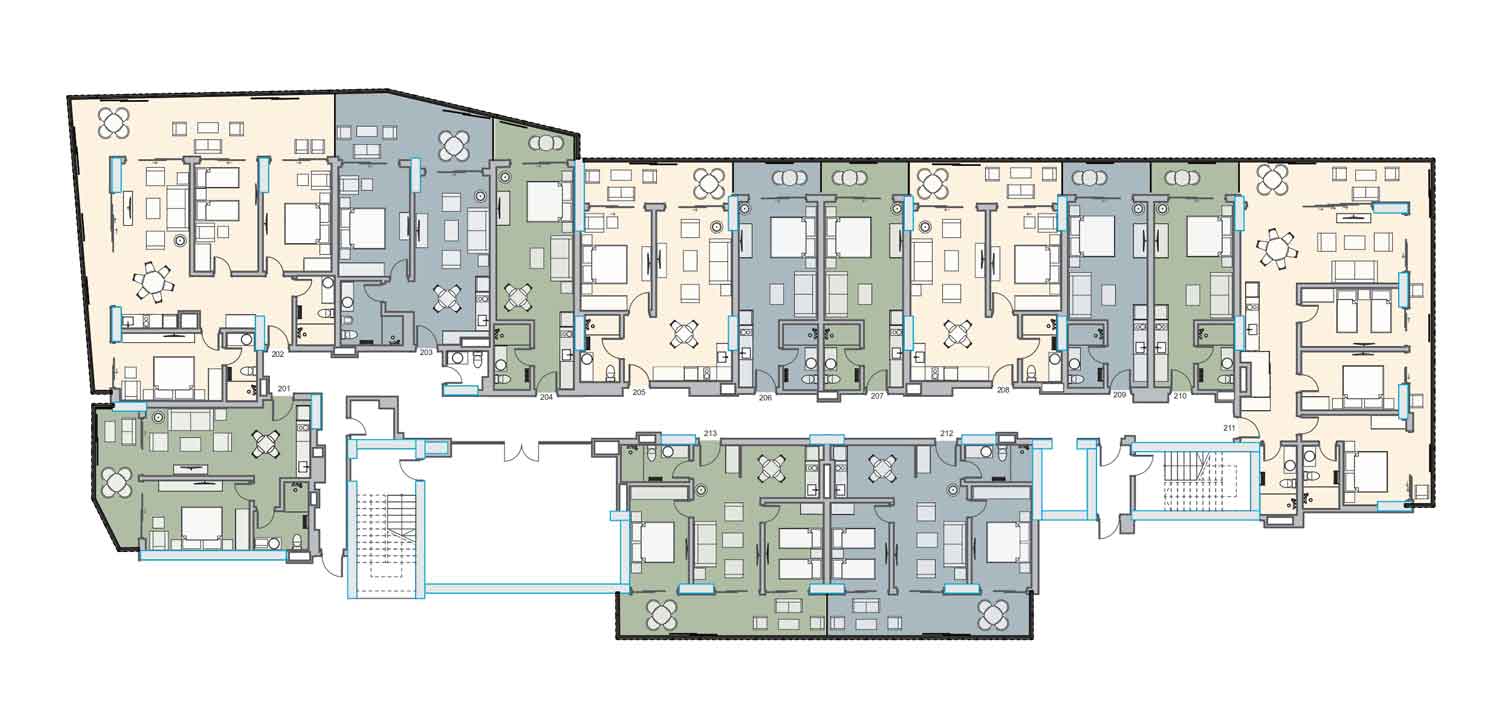
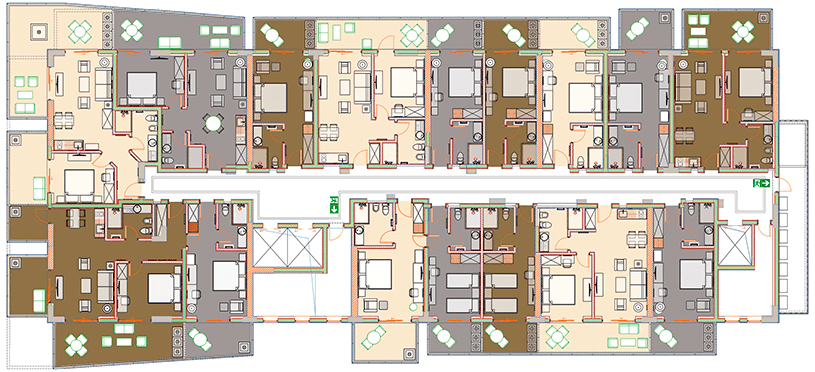
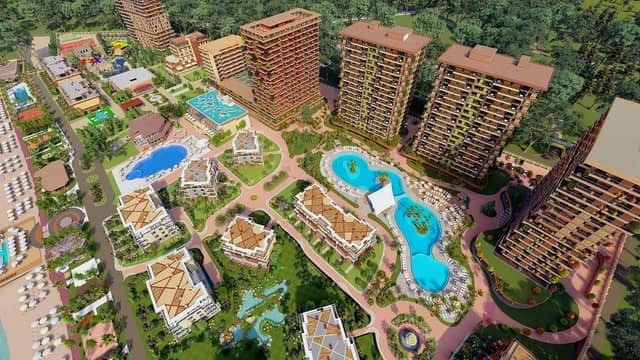
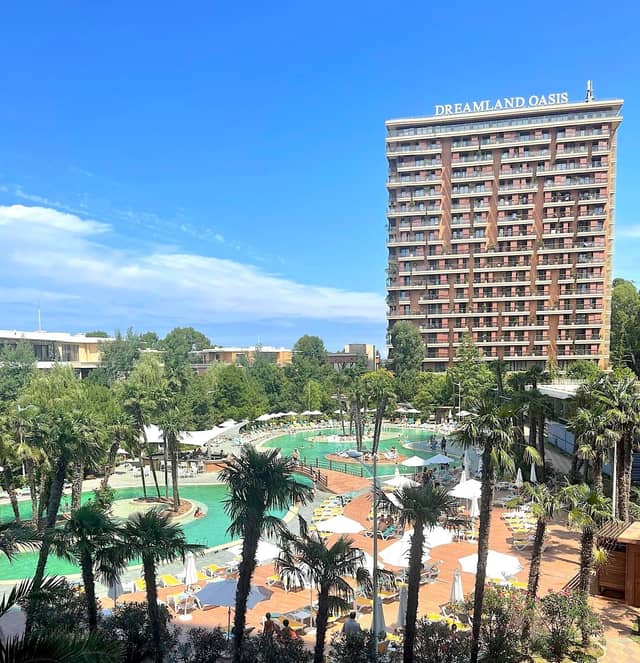
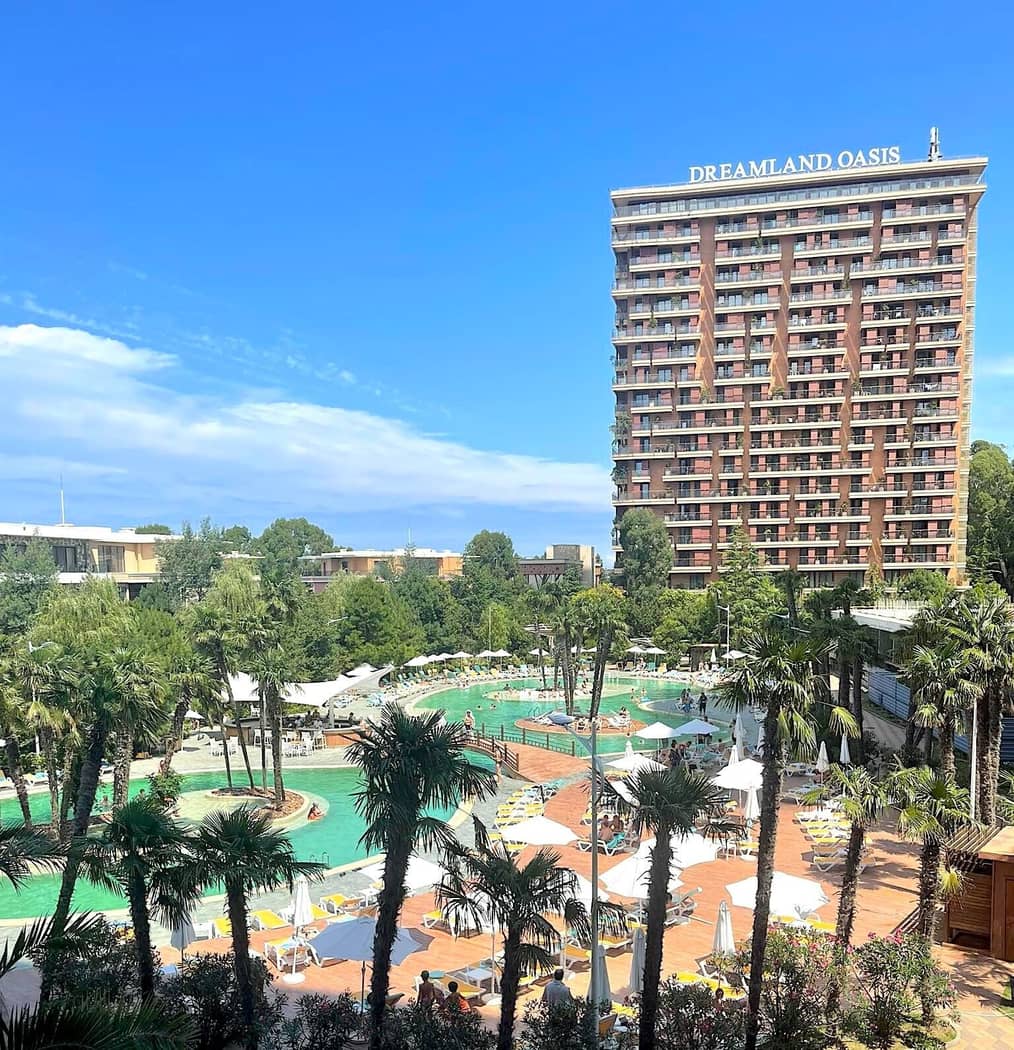
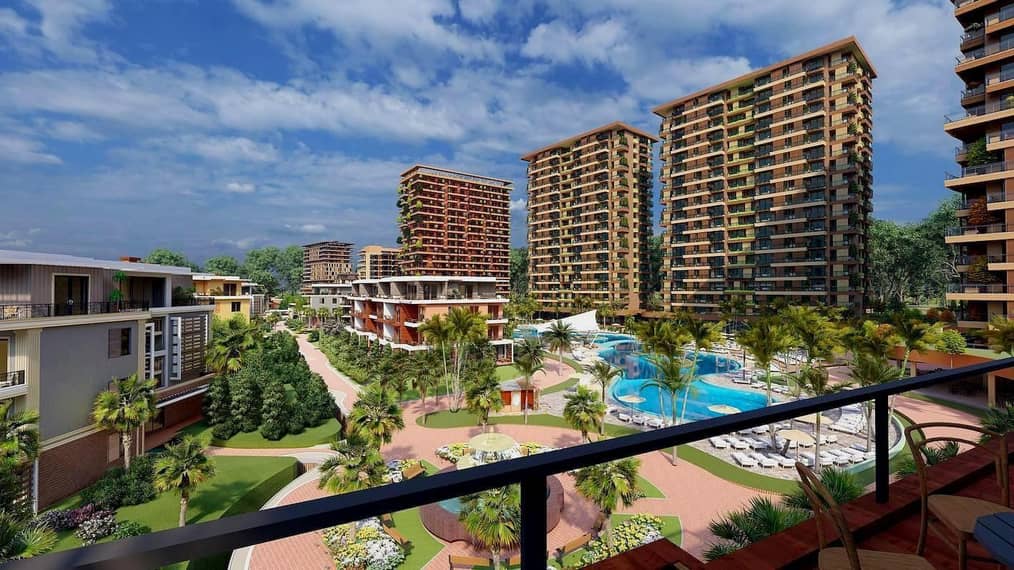
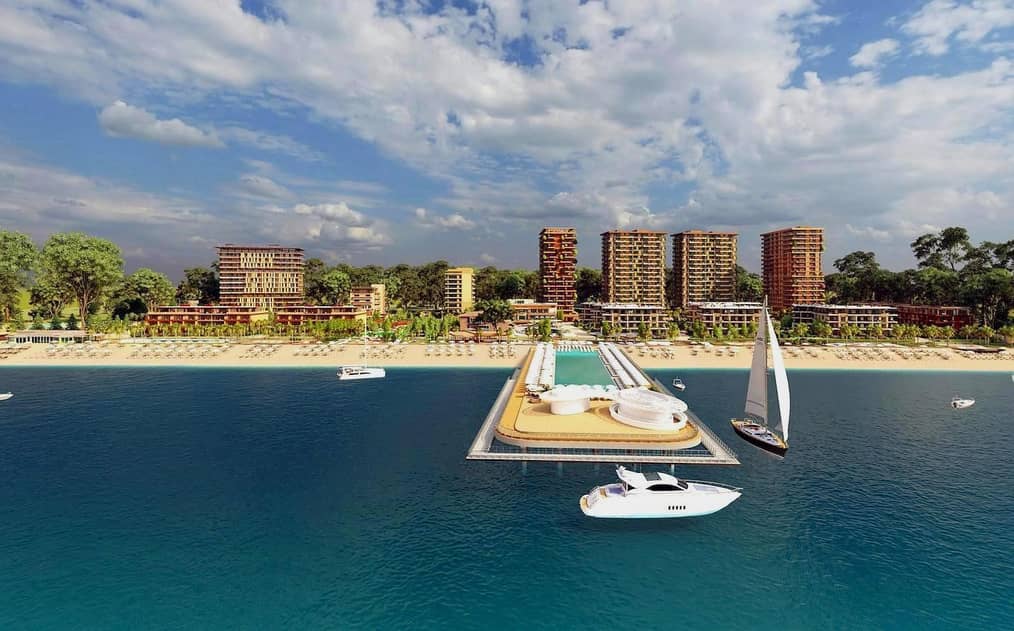
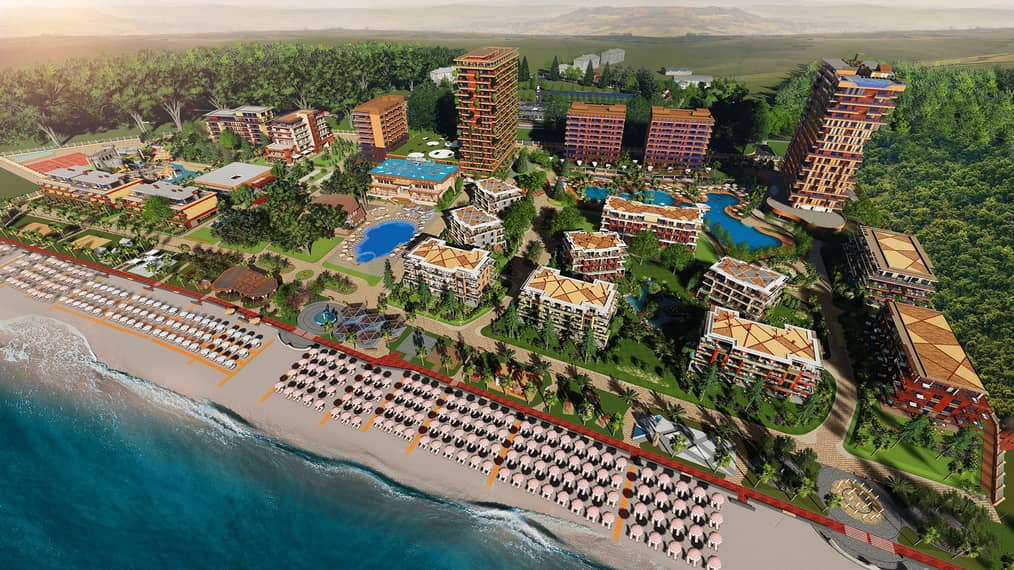
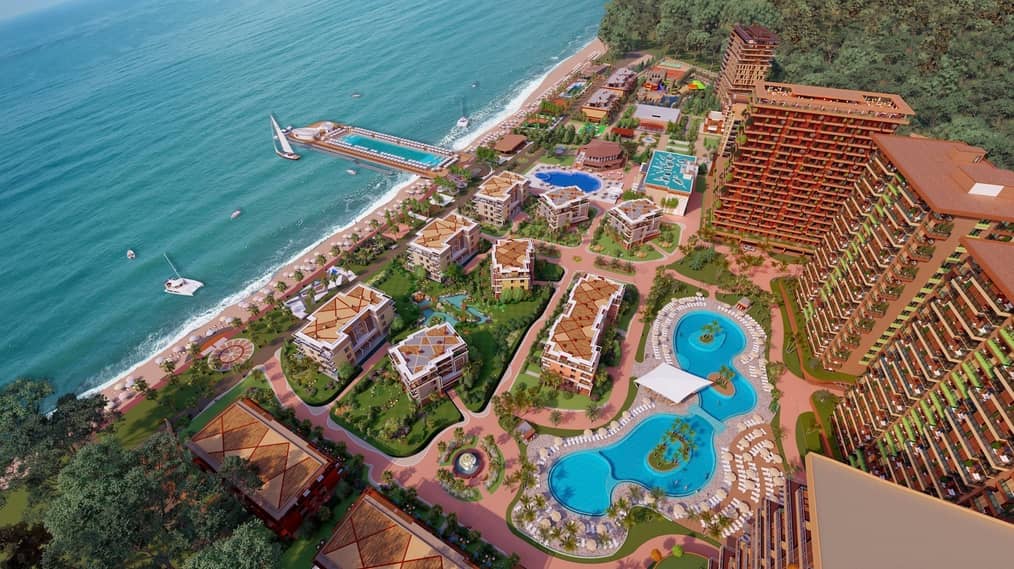
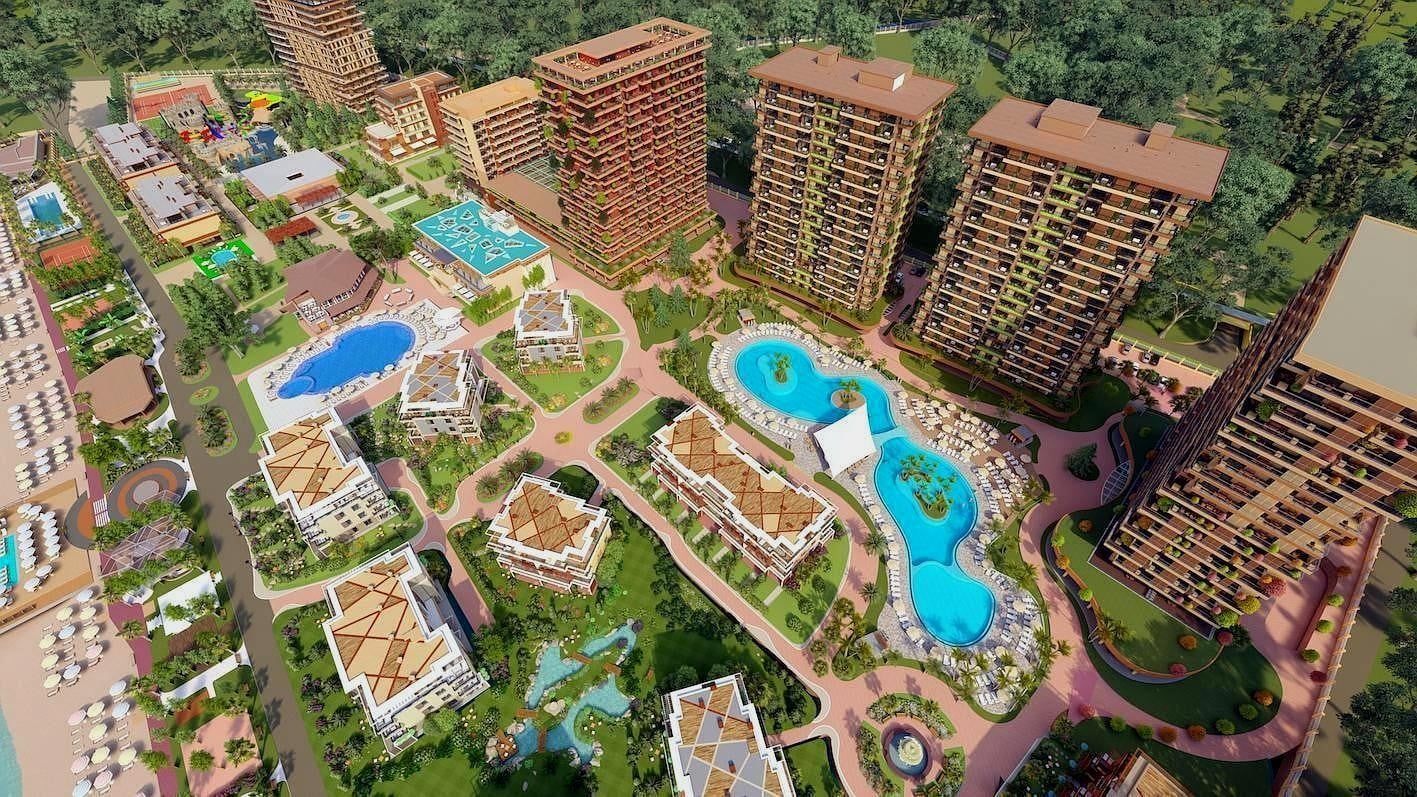
Dreamland Oasis 是一座位于恰克维镇黑海第一线的大型度假综合体,地址为巴统街16号。项目占地逾130 000平方米,其中70%用于绿化,种植观赏植物、松树及珍稀树种;沿岸还有一片长达500米、配套完善的私人海滩。
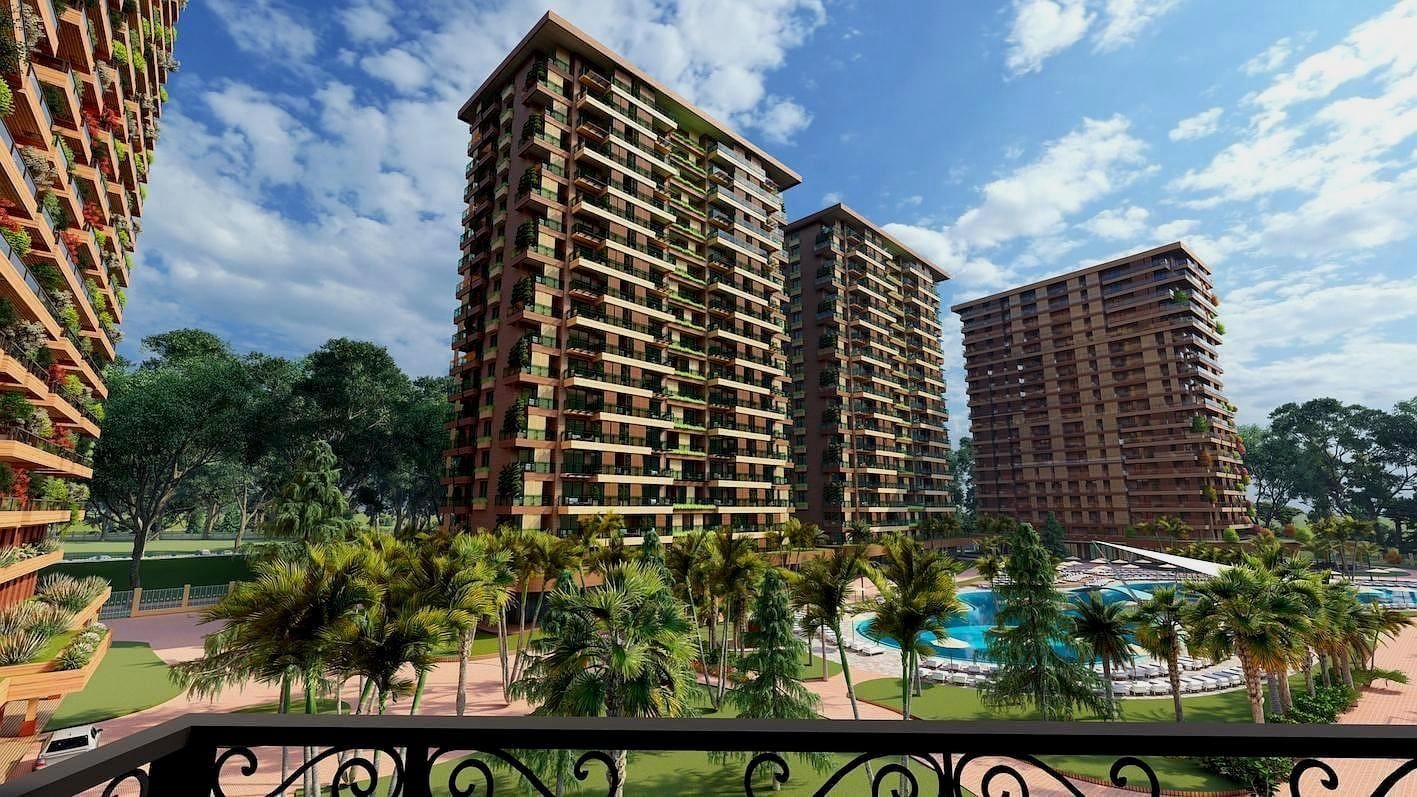
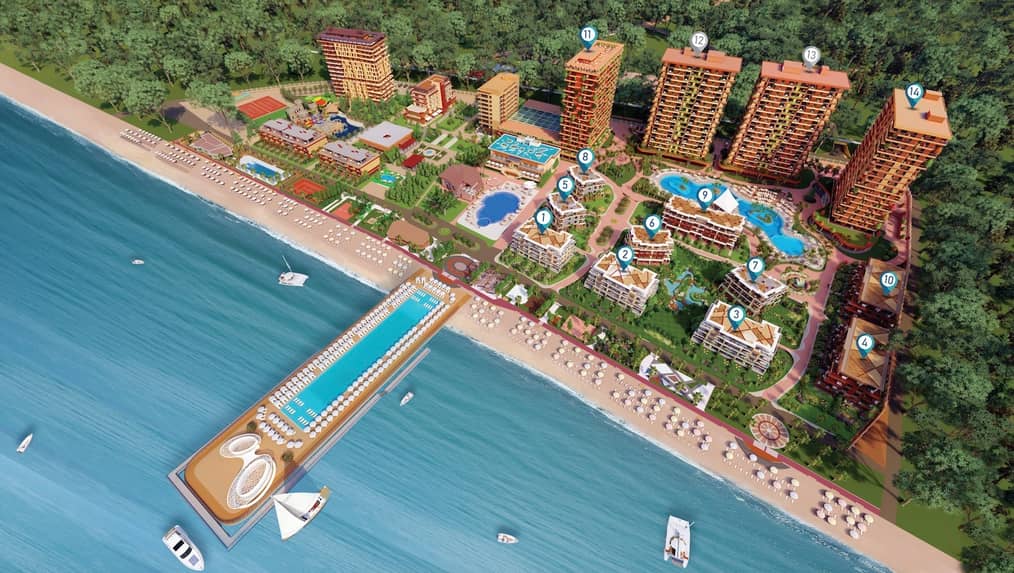
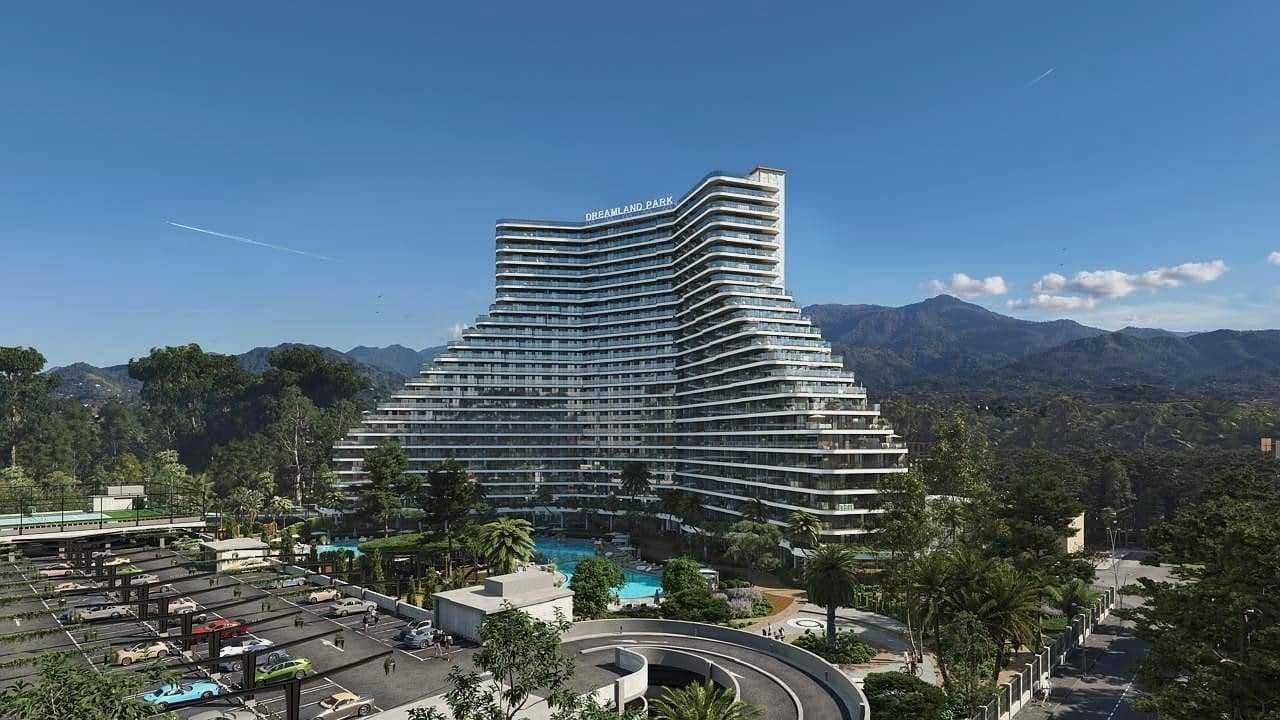
综合体由20栋高度不一的独立楼宇组成——从3层的住宅楼到高层塔楼。目前已有17栋交付并入住(最近交付的是13号楼,于2025年第四季度),仍在建的有两栋:12号楼计划于2026年第四季度交付,15号楼计划于2029年第一季度交付。
开发商 Sak Tur Kurort 自2007年起深耕格鲁吉亚房地产市场,全程自主把控建设周期,不依赖外部承包商。
在售房源包括开间、两居、三居及四居公寓,面积36.6至144.33平方米,价格从$108 820起(每平方米$2 677起)。所有房源均为全装修并配齐家具交付,层高2.8米。可通过合作银行办理按揭,也可选择分期付款。
综合体内配套设施超过50项:3个露天泳池和1个室内泳池、水上乐园、格鲁吉亚菜、意大利菜及海鲜餐厅、酒吧与咖啡馆、夜总会、KTV、保龄球馆、电影院、网球场、足球场、篮球场和排球场、儿童游乐场、水疗中心,以及长达4公里的滨海大道。
Chakvistskali 火车站距此500米,最近的公交车站步行12分钟,驾车20–25分钟可达巴统市中心,前往巴统机场不到40分钟。附近有第2中学和第36幼儿园,2公里范围内有市场和连锁超市,距巴统植物园不到3公里。
物业管理公司为投资者提供公寓托管出租服务,保证年化收益最高可达8%。
提交申请,获取该项目的个人咨询
| 户型 | 面积 | 价格 |
|---|---|---|
| 工作室 | 37–53 平方米 | 起 $108,820 |
| 2间卧室 | 59–75 平方米 | 起 $161,976 |
| 3间卧室 | 70–87 平方米 | 起 $198,501 |
| 4间卧室 | 124–144 平方米 | 起 $362,585 |
开发商价目表中的起价。房源会变化——请向我们咨询当前房源。
以$108,820的房源为例
估算结果:准确的付款计划请向我们咨询。
项目位于恰克维镇黑海第一线,地址为巴统街16号,地处巴统植物园(不到3公里)与 Mtirala 国家公园之间的生态亚热带区域。驾车20–25分钟可达巴统市中心,前往机场不到40分钟。Chakvistskali 火车站距此500米,公交车站步行12分钟(6路公交及开往科布列季、Ozurgeti、Poti 的城际线路)。
正在加载地图...
数据截至2026年10月26日
没有找到答案?
我们的经理会解答关于该项目的任何问题,并发送最新价格和房源情况。
价格从$108,820起,即面积37 平方米的最低价房源。房源和价格会变化,请联系我们获取最新清单。 每平方米价格为 $2,677 – $4,399/平方米。 查克维 区的中位数为 $1,500/平方米。
计划于2029年交付。 楼盘目前处于「在建」阶段。 楼层数:27。
可以,开发商提供分期付款:首付20%,余款分26个月付清。 以$108,820的房源为例,首付$21,764,每月约$3,348。
房间数:工作室-4。面积:37–144 平方米。 各户型价格:工作室 $108,820 起、2间卧室 $161,976 起、3间卧室 $198,501 起、4间卧室 $362,585 起。
装修选项:带家具。
位于巴统查克维区,地址:We need to translate from Russian to Chinese. The text: "ул. Батуми, 16, Чакви 6200, Грузия". It's an address: "ул." = street (улица). "Батуми" is the street name? Actually it says "ул. Батуми, 16, Чакви 6200, Грузия". That seems like: Street: Batumi, number 16, Chakvi 6200, Georgia. But "Чакви 6200" likely is the locality: Chakvi, postal code 6200? Or maybe "Чакви" is a district or town near Batumi. Actually Batumi is the city, but the address says "ул. Батуми" meaning Batumi Street. Then number 16. Then "Чакви 6200" - Chakvi is a town/resort near Batumi, maybe the address is in Chakvi, on Batumi Street. And "Грузия" is Georgia. So the translation should be into Chinese. We need to output the address in Chinese format. Usually Chinese addresses: country, province, city, district, street, number. But here it's a foreign address, so we can keep the order as original or adapt to Chinese convention? Usually when translating foreign addresses into Chinese, we keep the original order (from small to big or big to small? In Russian, addresses typically go from street to city to country? Actually Russian addresses: street, house number, city, postal code, country? But here it's "ул. Батути, 16, Чакви 6200, Грузия". That's street, number, locality (Chakvi) with postal code? Actually 6200 might be postal code. In many addresses, postal code is placed after city. So "Чакви 6200" means Chakvi, postal code 6200. Then country. So we need to translate to Chinese: we can write "格鲁吉亚,6200,恰克维,巴统街16号". But careful: In Chinese, the typical order for foreign addresses is from big to small: country, city, street, number. But sometimes they keep the original order. However, for clarity, it's common to translate addresses by converting to Chinese and arranging from largest to smallest: country, region/city, street, number. Also postal code often placed after city or before. For example: "格鲁吉亚6200恰克维巴统街16号". But we need to decide if we should include "ул." as "街" and "16" as "16号". Also "Батуми" as a street name: Should we translate "Batumi" as 巴统? Batumi is a city, but as a street name, it's "Batumi Street". In Chinese, Batumi is known as 巴统 (Bā tǒng). So "Batumi Street" would be 巴统街. "16" is 16号. "Чакви" is Chakvi, a place near Batumi. I'm not sure if there's a standard Chinese name for Chakvi. Probably transliterate as 恰克维 (Qià kè wéi). "6200" is postal code. "Грузия" is Georgia, 格鲁吉亚 (Gé lǔ jí yà). So the full address: "格鲁吉亚6200恰克维巴统街16号". But we might want to separate with commas or spaces. The original had commas. We can use Chinese punctuation or keep as is. Since it's an address, often they write without punctuation, but we can include commas for clarity. However, the instruction says: "If the text contains HTML formatting, preserve it". There's no HTML here. So we can output plain text. We need to consider the context: This is a property address for a real estate project in Batumi, Georgia. So it's likely displayed on a website or brochure. Usually they present addresses in a format that is clear. In Chinese, they often write: 格鲁吉亚,6200,恰克维,巴统街16号. Or 格鲁吉亚6200恰克维巴统街16号. I think it's fine to include commas to separate elements. But also note: In Russian, "ул. Батуми, 16" means "Batumi Street, 16". So we should translate as "巴统街16号". The number after the street is typically placed before "号". So "16号". Good. Now, "Чакви 6200": In Russian, it's "Чакви 6200". That likely means "Chakvi, 6200" where 6200 is the postal code. In Chinese, postal code often placed before the city? Actually for domestic addresses, postal code is placed at the beginning or end. For foreign addresses, it's common to put postal code after the city name, sometimes in parentheses. For example: "格鲁吉亚6200恰克维" might be ambiguous: is 6200 the postal code or part of the city name? Better to write "格鲁吉亚恰克维6200" or "格鲁吉亚恰克维,6200". But original has "Чакви 6200" which is likely "Chakvi, 6200". So we can write "恰克维6200" or "恰克维,6200". I'd include a comma: "恰克维,6200". Then country: "格鲁吉亚". So order: from smallest to largest? In Chinese, it's typical to go from largest to smallest: country, province/city, district, street, number. But here the original order is street, number, locality+postal, country. That's from small to big. In Chinese, addresses are typically written from big to small. However, when translating foreign addresses, sometimes they keep the original order to match the source or to be consistent with international mailing. But many Chinese websites present foreign addresses in the order: country, city, street, number. For example: "格鲁吉亚巴统市恰克维区巴统街16号". But we don't have "区". Actually Chakvi might be a town or district. We could treat it as a city/town: "恰克维". So the address could be: "格鲁吉亚恰克维巴统街16号,邮编6200". But that adds "邮编" which means postal code. The original didn't have "postcode" explicitly, just the number. It's common to just write the code after the city. For clarity, we could include "邮编" but that might be adding words not in original. The instruction: "Maintain the original meaning and tone". So we should not add extra words like "邮编". So we can just put "6200" after "恰克维". In Chinese addresses, postal code is often placed at the end, sometimes preceded by "邮政编码" or just the number. But if we just put "6200" after "恰克维", it might be interpreted as part of the address like a building number? But since it's a 4-digit number, it's likely recognized as postal code. However, in China, postal codes are 6 digits, so 4 digits might look odd. But it's a foreign address, so it's okay. I think it's acceptable to write "恰克维6200". But to be safe, we can follow the original punctuation: "恰克维 6200". The original had a comma: "Чакви 6200" actually there is a comma after 16? The original: "ул. Батуми, 16, Чакви 6200, Грузия". So commas separate each element. So we could translate as "巴统街16号,恰克维6200,格鲁吉亚". That would be from street to country, which is small to big. But Chinese standard is big to small. However, for foreign addresses, sometimes they keep the original order to avoid confusion. I've seen both. Since the instruction says "Translate the following text", we should produce a translation that conveys the same information, but we can adapt to target language conventions. Usually translation of addresses: they often convert to the target language's address format. For example, when translating a Russian address to English, they might reorder to English convention? Actually English addresses are typically from small to big: number, street, city, postal code, country. That's similar to Russian. So no reordering needed. Chinese is different. So as a professional translator, we need to decide. I think it's acceptable to present in Chinese in the order: country, city (with postal code), street, number. But the original order is street, number, city+postal, country. If we reorder, it might be considered more natural. However, the instruction says "Maintain the original meaning and tone" not necessarily preserve order. But meaning includes the components. Reordering for address format is standard practice. I'd check typical Chinese real estate listings for foreign properties: They often list the address as: "格鲁吉亚巴统市恰克维区巴统街16号" or something. But here we have "Чакви" which is a town, maybe it's a separate town, not a district of Batumi. Actually Chakvi is a resort town about 15 km north of Batumi. So it's a separate locality. So the address is in Chakvi, on Batumi Street. So the city is Chakvi, not Batumi. So we should not say "巴统市". So it's: Chakvi, Georgia. So the address: Georgia, Chakvi, Batumi Street, 16. Postal code 6200. Thus in Chinese: "格鲁吉亚6200恰克维巴统街16号" might be confusing because 6200 is before Chakvi. Better: "格鲁吉亚恰克维6200巴统街16号"? Actually postal code usually after the city. In Chinese, for domestic addresses, postal code is placed at the beginning or at the end. For foreign addresses, they often put it after the city name, sometimes in parentheses. I'd write: "格鲁吉亚恰克维6200巴统街16号". But that puts 6200 immediately after Chakvi, which could be read as part of the street name? But it's a number, so it's likely postal code. Alternatively, use a comma: "格鲁吉亚,恰克维6200,巴统街16号". That is clear. Given the original uses commas, we can use commas in Chinese as well. So one translation: "巴统街16号,恰克维6200,格鲁吉亚". That preserves the original order (street, locality+postal, country). But is that natural in Chinese? Chinese addresses are typically written from large to small, but when referring to foreign addresses, sometimes they keep the original order because it's a direct translation. However, I've seen many Chinese websites listing foreign addresses in the original order (e.g., "123 Main St, New York, NY 10001, USA") but with Chinese characters. For example, they might write "纽约市曼哈顿区第五大道123号,NY 10001,美国". That's somewhat mixed. Actually they often put the country at the end. So I think it's acceptable to keep the order as original, because it's a direct translation and the audience may be familiar with foreign address formats. Also the instruction didn't specify to adapt to local format. So I'll keep the order: street, number, locality+postal, country. But we need to translate each part accurately. Thus: "ул. Батуми, 16, Чакви 6200, Грузия" -> "巴统街16号,恰克维6200,格鲁吉亚". But note: In the original, "ул. Батуми, 16" includes a comma after the street name. So it's "ул. Батуми, 16". That is "Batumi Street, 16". In Chinese, we can write "巴统街16号" without a comma between street and number. But we could also write "巴统街,16号". However, typical Chinese address writes "巴统街16号". So I'll combine them. Also, "Чакви 6200" has no comma between Chakvi and 6200. So we can write "恰克维6200". But to separate elements, we use commas. So final: "巴统街16号,恰克维6200,格鲁吉亚". But we need to consider that "6200" might be a postal code, and in Chinese they sometimes write "邮编6200" or "6200". I'll keep as "6200". Now, check if any other nuances: The street name "Батуми" is the same as the city name Batumi. In Chinese, Batumi is 巴统. So street is 巴统街. That's fine. Thus translation: "巴统街16号,恰克维6200,格鲁吉亚". But maybe we should include "ул." explicitly? In Chinese, "улица" is "街" or "街道". Usually they just add "街" after the name. So "巴统街" is sufficient. No need for "ул." separately. Now, double-check: Is there any established translation for "Chakvi"? I'm not aware; we can transliterate. Use 恰克维 (Qià kè wéi). Could also be 查克维, but 恰克维 seems common for "Chakvi"? I recall that in some travel articles, Chakvi is translated as 查克维 or 恰克维. Let's search memory: Actually I've seen 查克维 more often? Not sure. But both are plausible. I'll use 查克维? Let's think: The Russian "Чакви" is pronounced like "Chakvi". In Chinese, "Ch" sound is often rendered as "恰" (qia) or "查" (cha). For Georgian names, they often use "恰" for "Cha"? For example, "Chiatura" is 恰图拉. So "Cha" is often "恰". But "Chakvi" starts with "Cha". In English, it's often spelled "Chakvi". In Chinese, I've seen 恰克维 used for Chakvi (e.g., in some travel blogs). Also there is a place called "Chakvi" near Batumi known for tea plantations. I recall seeing 恰克维. I'll go with 恰克维. It's fine. Now, the country: Georgia is 格鲁吉亚. That's standard. Thus final answer. But the instruction says: "Do not add any explanations or notes, only provide the translation". So we just output the translation. I'll output: "巴统街16号,恰克维6200,格鲁吉亚". But maybe we should include the postal code separated by a space? Original has a space? Actually original: "Чакви 6200" there is a space. In Chinese, we can keep the space or not. Usually they don't use spaces. I'll omit the space: "恰克维6200". But with comma after the previous part, it's fine. Alternatively, we could write: "格鲁吉亚6200恰克维巴统街16号". But that changes order. I'll stick to original order. I'll produce the translation as above.巴统街16号,恰克维6200,格鲁吉亚。 附近:海滩(500 米)、公交站(12 分钟 步行)、市中心(20 分钟 驾车)。
全套家具公寓、3个露天泳池及1个室内泳池、水上乐园、餐厅(格鲁吉亚菜、意大利菜、海鲜)、酒吧与咖啡馆、夜总会与KTV、保龄球馆、3D/7D/9D电影院。
开发商为Sak Tur Kurort。 该开发商在我们目录中的项目:2 个。
可以。外国人在格鲁吉亚购房与本国公民条件相同,只需护照。拥有价值 $100,000 及以上房产的业主可申请短期居留许可。 Dreamland Oasis 的公寓 $108,820 起,因此任何一套都满足门槛。
没有找到答案?
联系我们获取详细信息和个人咨询