من $113,641
Rogantini Swiss Village
تشاكفي
من $113,641
من $2,880/م²
2027
المطور: Sak Tur Kurort
37–144 م² · $2,677 – $4,399/م²
تقسيط لمدة 26 شهرًا · دفعة أولى 20%
انقر للعرض
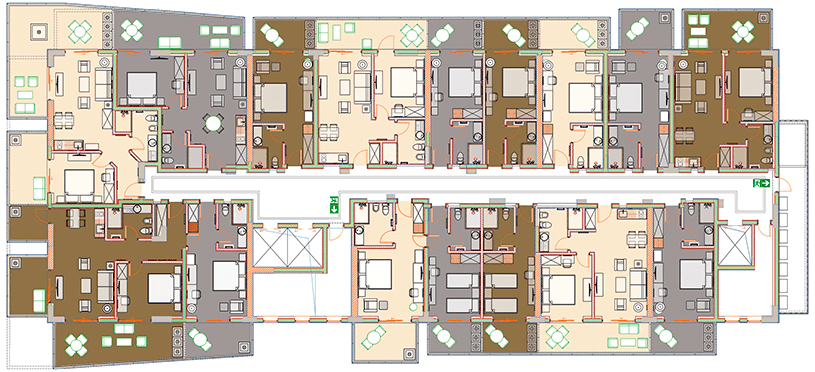
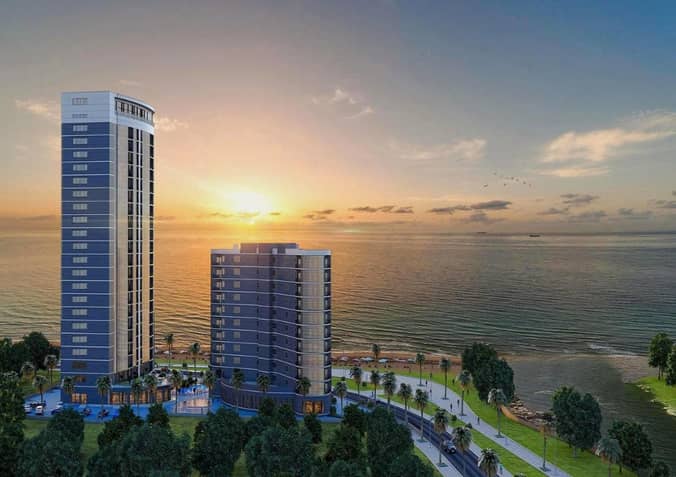
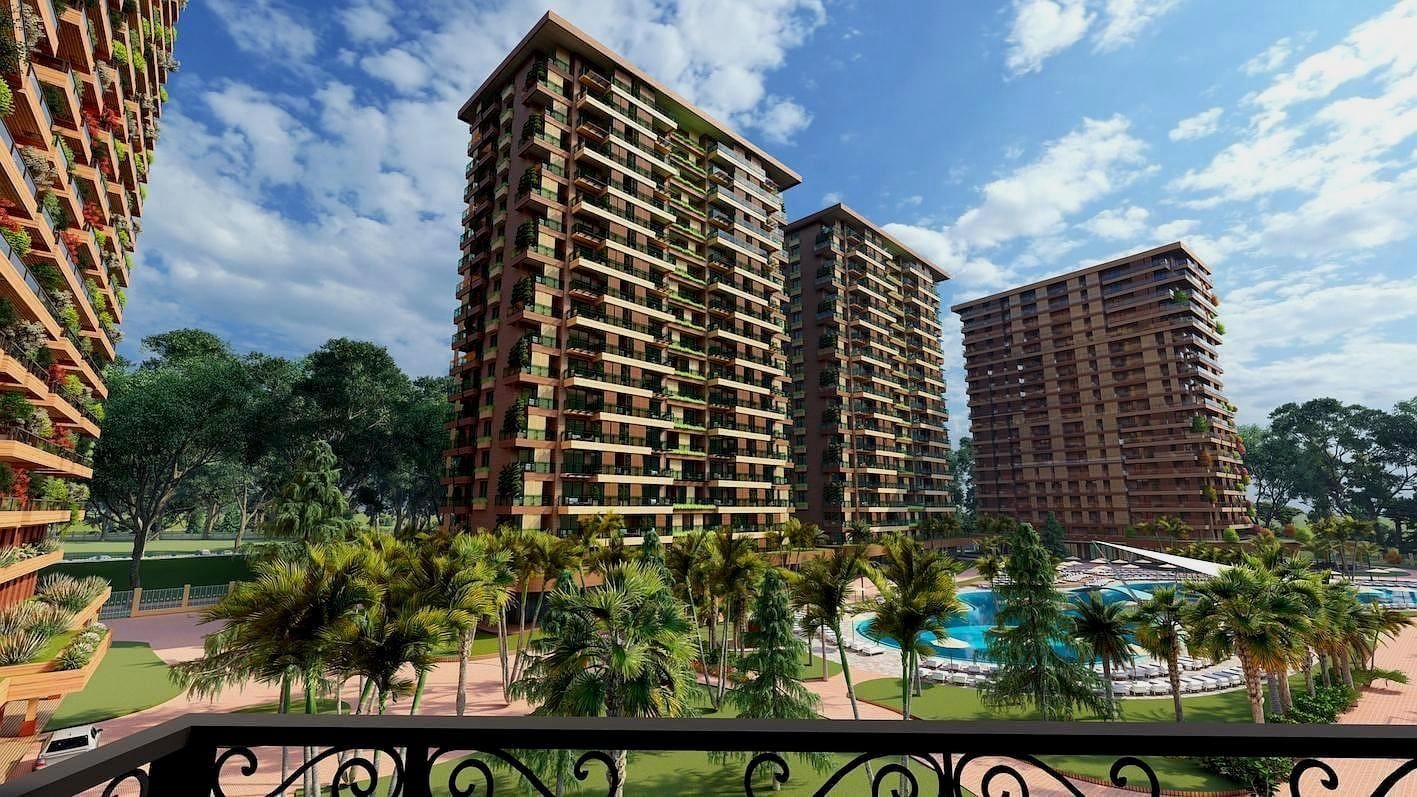
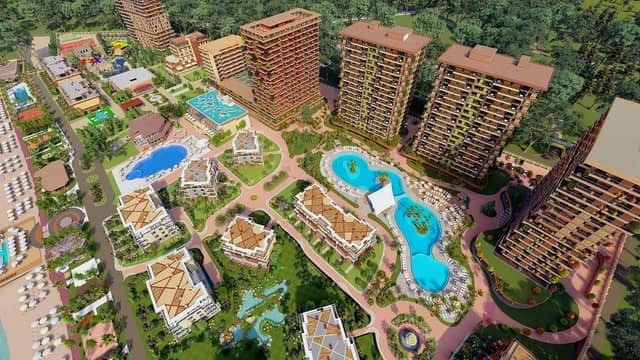
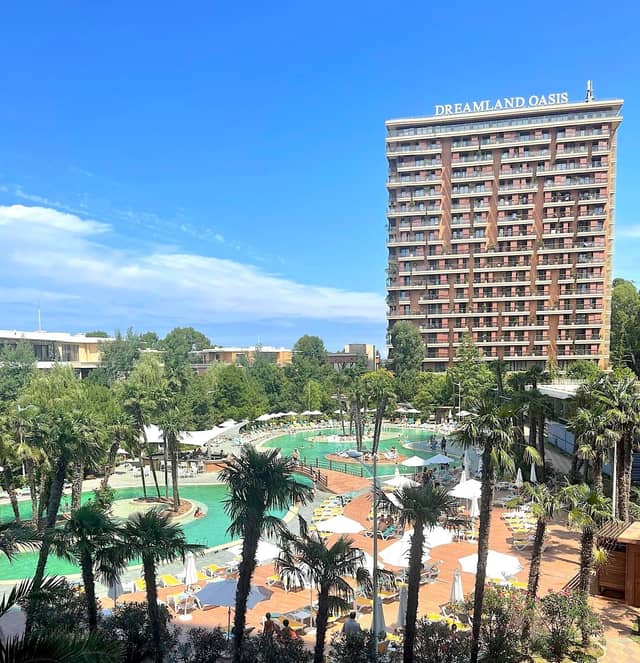
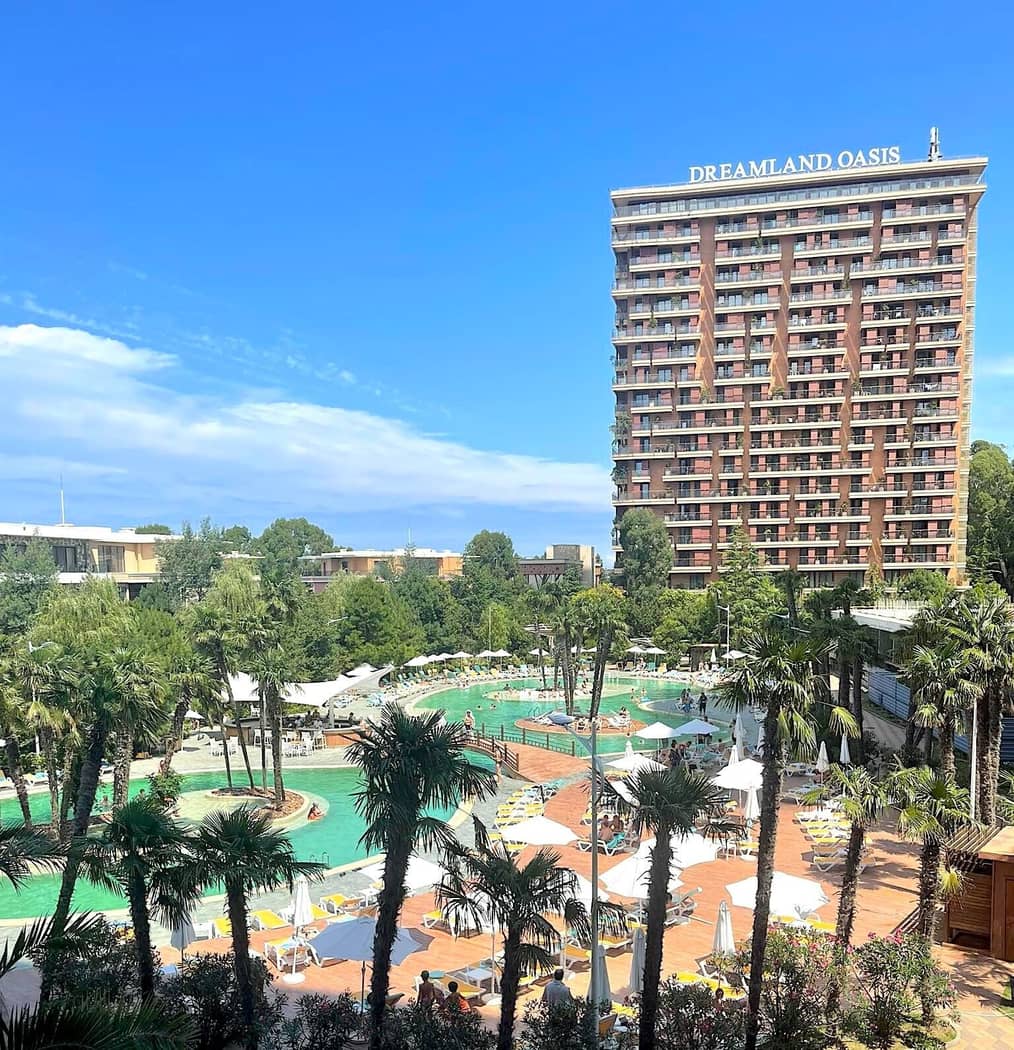
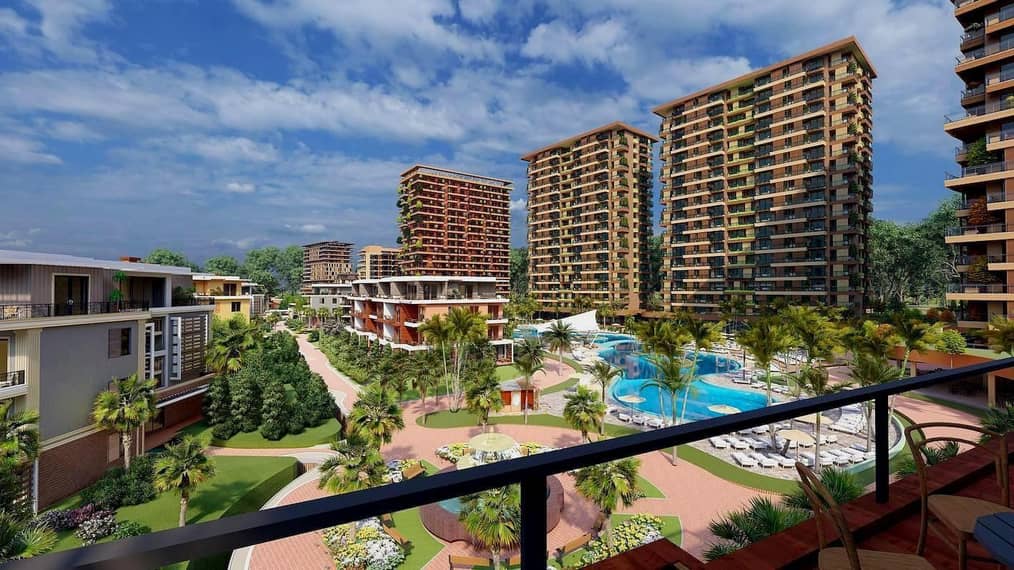
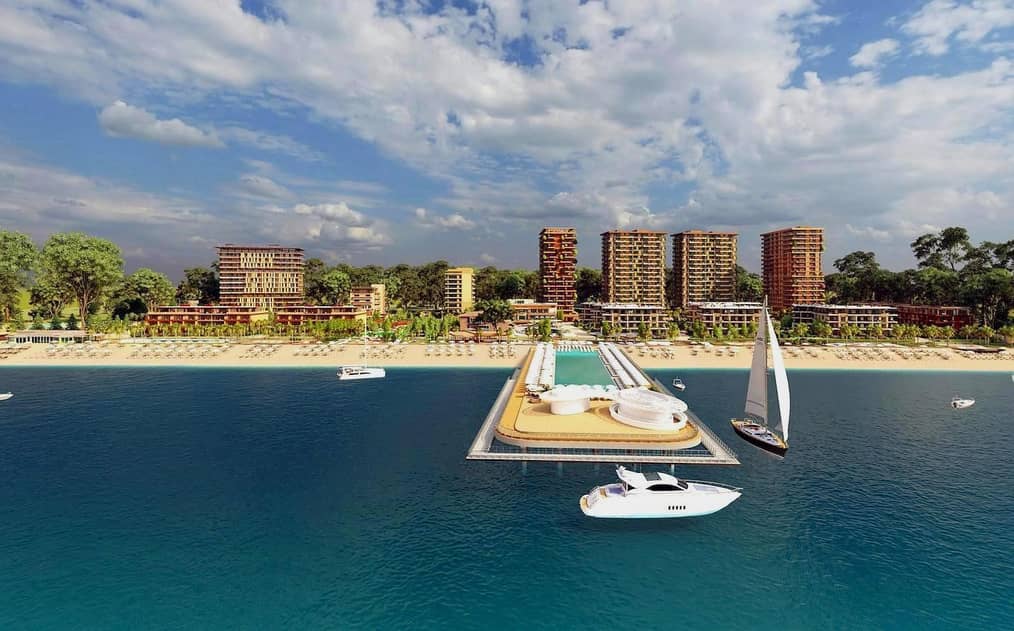
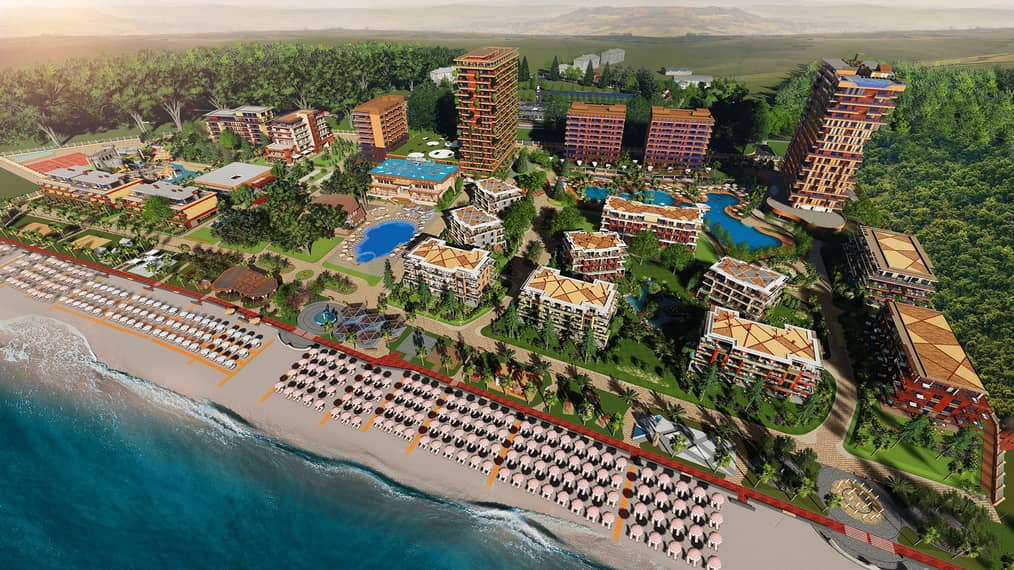
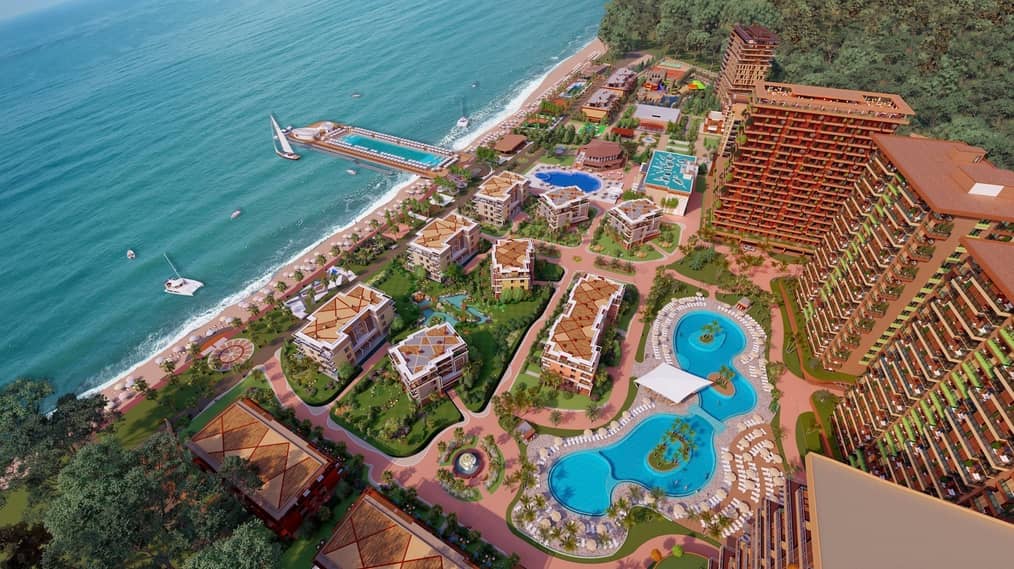
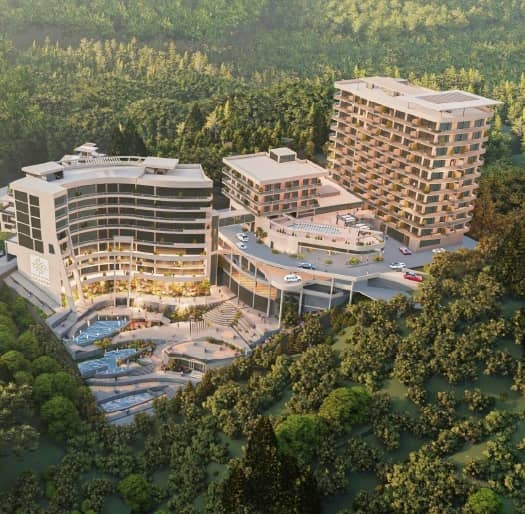
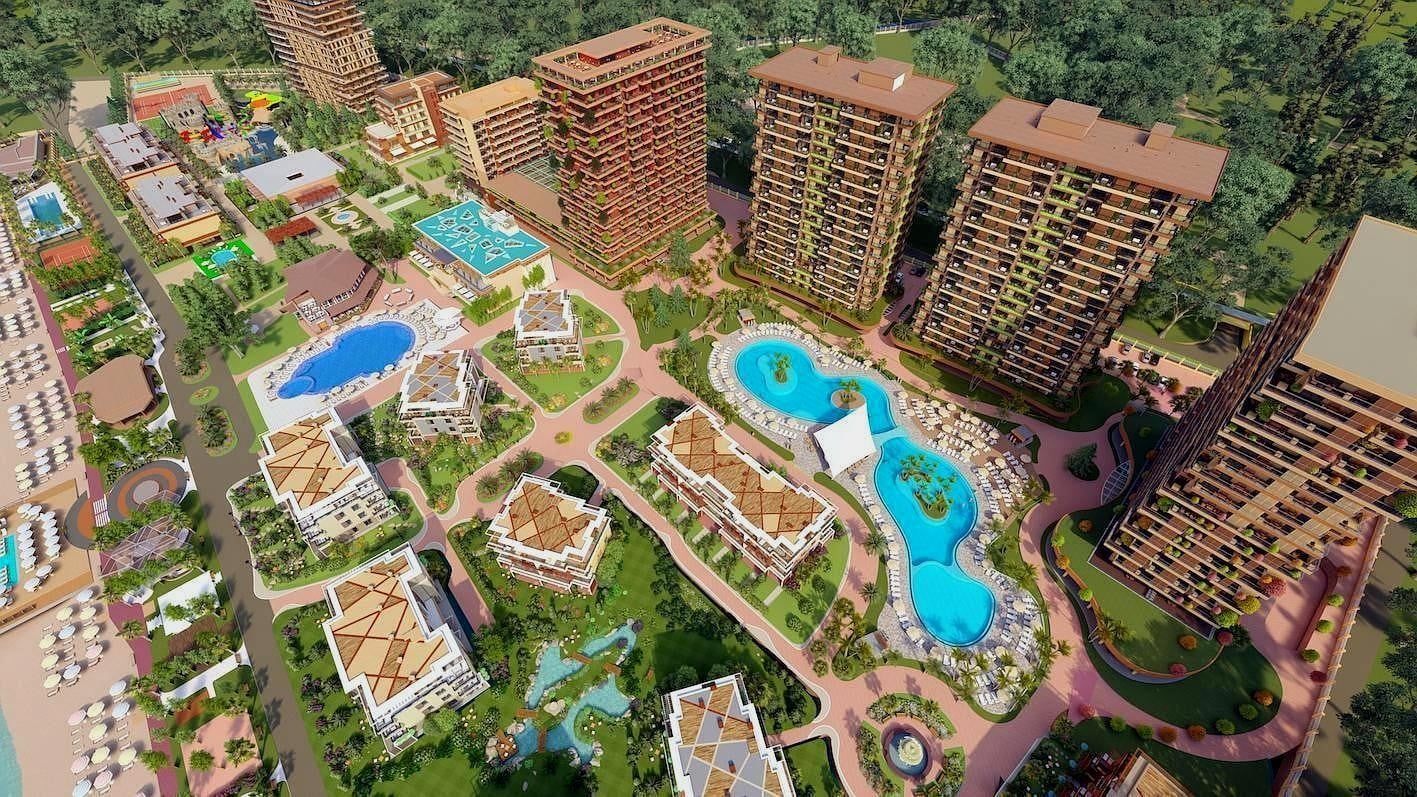
Dreamland Oasis مجمع منتجعي واسع على الخط الأول من البحر الأسود في بلدة تشاكفي، على العنوان: شارع باتومي، 16. يمتد المشروع على مساحة تزيد على 130,000 م²، خُصص 70% منها للمساحات الخضراء من نباتات الزينة وأشجار الصنوبر والأشجار النادرة، ويمتد على طول الساحل شاطئ خاص مجهّز بطول 500 متر.
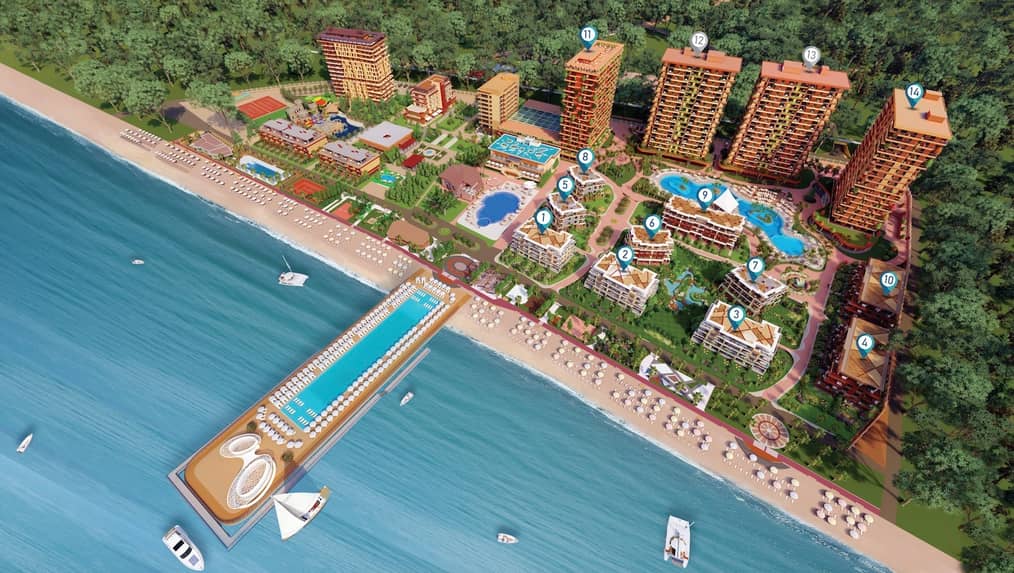
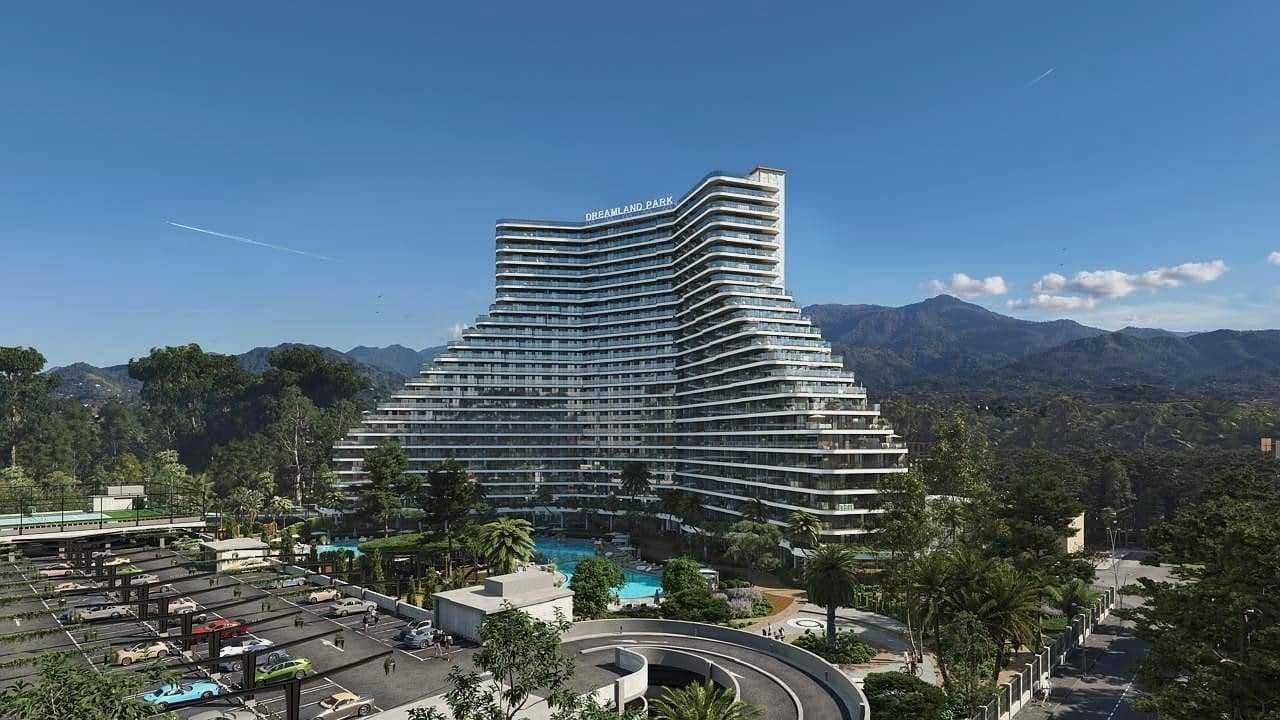
يتكوّن المجمع من 20 مبنى منفصلًا بارتفاعات مختلفة — من مساكن من 3 طوابق إلى أبراج شاهقة. حتى الآن، سُلِّم 17 مبنى وأصبحت مأهولة (وآخرها المبنى 13 في الربع الرابع من عام 2025)، ولا يزال مبنيان قيد الإنشاء: المبنى 12 بتسليم في الربع الرابع من عام 2026، والمبنى 15 في الربع الأول من عام 2029.
المطوّر هو شركة Sak Tur Kurort العاملة في سوق العقارات الجورجي منذ عام 2007. وتتولى الشركة دورة البناء كاملة دون الاستعانة بمقاولين خارجيين.
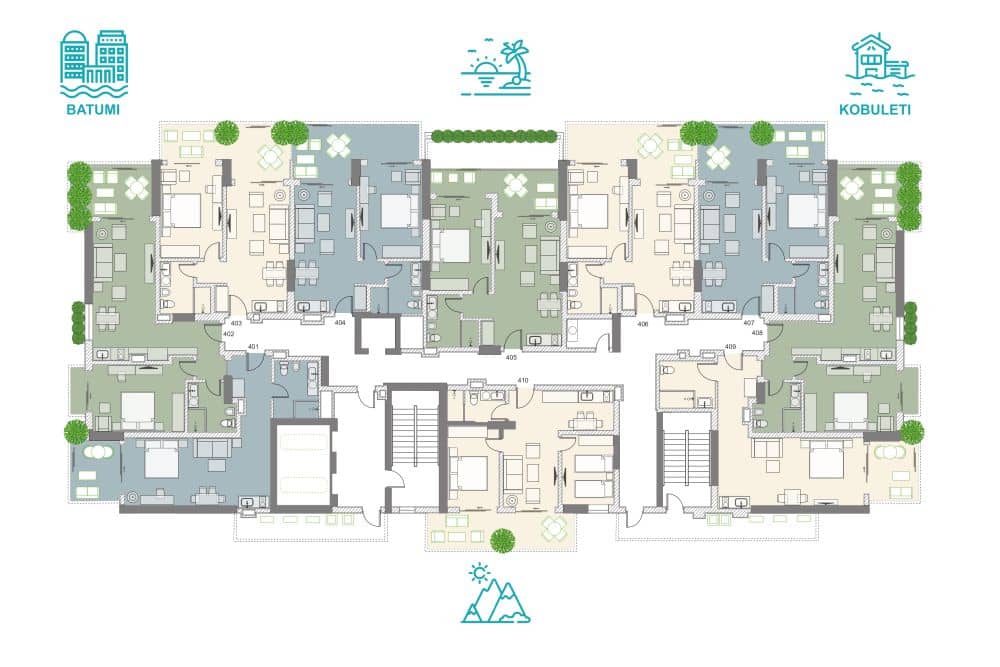
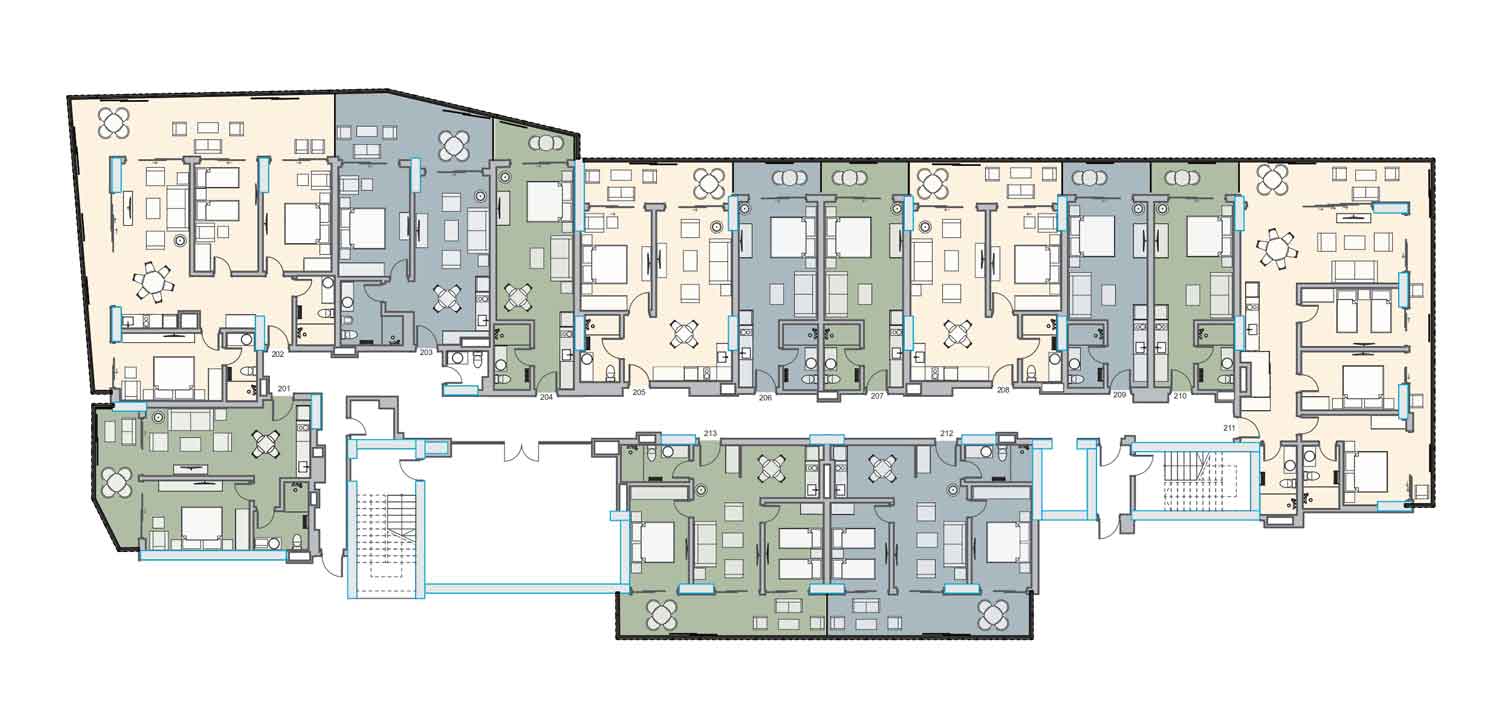
المعروض للبيع: شقق استوديو وشقق بغرفتين وثلاث وأربع غرف بمساحات من 36.6 إلى 144.33 م²، بأسعار تبدأ من 108,820 دولار (من 2,677 دولار للمتر المربع). تُسلَّم جميع الشقق بتشطيب كامل وأثاث. ارتفاع الأسقف 2.8 متر. ويتاح الشراء بتمويل عقاري عبر بنك شريك أو بالتقسيط.
تضم البنية التحتية للمجمع أكثر من 50 منشأة: ثلاثة مسابح خارجية ومسبح مغطى، وحديقة مائية، ومطاعم للمطبخ الجورجي والإيطالي والمأكولات البحرية، وبارات ومقاهي، وناديًا ليليًا، وكاريوكي، وبولينغ، ودور سينما، وملاعب تنس، وملعب كرة قدم، وملعبين لكرة السلة والكرة الطائرة، وملاعب للأطفال، ومركز سبا، وممشى ساحليًا بطول 4 كم.
تقع محطة قطارات تشاكفيستسكالي على بُعد 500 متر، وأقرب محطة حافلات على بُعد 12 دقيقة سيرًا على الأقدام، ووسط باتومي على بُعد 20–25 دقيقة بالسيارة، ومطار باتومي على بُعد أقل من 40 دقيقة. وبالقرب منه المدرسة رقم 2 وروضة الأطفال رقم 36، وضمن دائرة نصف قطرها 2 كم أسواق ومتاجر سلاسل كبرى، فيما تبعد حديقة باتومي النباتية أقل من 3 كم.
تقدّم شركة الإدارة للمستثمرين خدمة تأجير الشقق بعائد مضمون يصل إلى 8% سنويًا.
اترك طلبًا واحصل على استشارة شخصية حول هذا المشروع
| النوع | المساحة | السعر |
|---|---|---|
| استوديو | 37–53 م² | من $108,820 |
| 2 غرف نوم | 59–75 م² | من $161,976 |
| 3 غرف نوم | 70–87 م² | من $198,501 |
| 4 غرف نوم | 124–144 م² | من $362,585 |
أسعار ابتدائية من قائمة أسعار المطور. التوفر يتغير — اسألنا عن الوحدات المتاحة.
مثال لوحدة بسعر $108,820
حساب تقريبي: اسألنا عن جدول الدفعات الدقيق.
يقع المشروع في بلدة تشاكفي على الخط الأول من البحر الأسود، على العنوان: شارع باتومي، 16. منطقة شبه استوائية نظيفة بيئيًا بين حديقة باتومي النباتية (أقل من 3 كم) ومنتزه متيرالا الوطني. يبعد وسط باتومي 20–25 دقيقة بالسيارة، والمطار أقل من 40 دقيقة. وتقع محطة قطارات تشاكفيستسكالي على بُعد 500 متر، ومحطة الحافلات على بُعد 12 دقيقة سيرًا على الأقدام (الحافلة رقم 6 والخطوط بين المدن إلى كوبوليتي وأوزورغيتي وبوتي).
جاري تحميل الخريطة...
البيانات حتى 26 أكتوبر 2026
لم تجد إجابتك؟
سيجيب مديرنا عن أي سؤال حول هذا المشروع ويرسل الأسعار الحالية والوحدات المتاحة.
تبدأ الأسعار من $108,820 لأرخص وحدة بمساحة 37 م². يتغير التوفر والأسعار — اسألنا عن القائمة الحالية. سعر المتر المربع $2,677 – $4,399/م². الوسيط في منطقة تشاكفي هو $1,500/م².
التسليم مخطط له في عام 2029. المبنى حاليًا في مرحلة «قيد الإنشاء». عدد الطوابق: 27.
نعم، يقدم المطور تقسيطًا: دفعة أولى 20%، والباقي على 26 شهرًا. لوحدة بسعر $108,820 يعني ذلك $21,764 دفعة أولى ونحو $3,348 شهريًا.
عدد الغرف: استوديو-4. المساحات: 37–144 م². الأسعار حسب النوع: استوديو من $108,820، 2 غرف نوم من $161,976، 3 غرف نوم من $198,501، 4 غرف نوم من $362,585.
خيارات التشطيب: مفروش.
في حي تشاكفي في باتومي، العنوان: We need to translate from Russian to Arabic. The text: "ул. Батуми, 16, Чакви 6200, Грузия". It's an address: "ул." = street (улица). "Батуми" is the street name? Actually "ул. Батуми" means Batumi Street. Then "16" is the building number. Then "Чакви 6200" is the locality? Actually "Чакви" is a place near Batumi, maybe a district or village. "6200" is postal code? Possibly. Then "Грузия" is Georgia. So we need to translate the address into Arabic. Address format in Arabic: Usually we write the street name, building number, then area, then postal code, then country. We need to transliterate proper nouns: "Батуми" as Batumi, but in Arabic script: باتومي. "Чакви" as Chakvi or something: تشاكفي? Actually need to check common transliteration. "Грузия" is Georgia: جورجيا. But in Arabic, Georgia is جورجيا (Jawjiya) or sometimes جورجيا. However, the country name in Arabic is جورجيا. So we'll use that. But careful: "ул. Батуми, 16" means "Batumi Street, 16". In Arabic, we might write: شارع باتومي، رقم ١٦ or "شارع باتومي ١٦". Usually we write "شارع باتومي، مبنى ١٦" but simpler: "شارع باتومي ١٦". However, the original includes a comma after street name and before number. We can keep similar punctuation. "Чакви 6200": This likely means "Chakvi 6200". In Georgian addresses, often the postal code is written after the locality. So "Чакви 6200" means Chakvi, postal code 6200. In Arabic, we can write: تشاكفي ٦٢٠٠ or maybe with postal code: الرمز البريدي 6200 but simpler: تشاكفي 6200. But we need to decide whether to convert numbers to Arabic-Indic digits (٠١٢٣٤٥٦٧٨٩) or keep Western digits. Usually in Arabic, both are acceptable, but for addresses, often Western digits are used, but we can use Arabic-Indic digits for consistency. The instruction says "Keep numbers, measurements, and currencies as-is". That means we should keep them as they are (i.e., 16, 6200) without converting to Arabic-Indic? It says "as-is", meaning keep the same digits? Possibly they want to preserve the original digits (Western). However, in Arabic text, it's common to keep Western digits, but sometimes they convert. To be safe, we can keep them as Western digits (16, 6200) because the instruction says keep as-is. But we need to check: "Keep numbers, measurements, and currencies as-is" means do not convert them, keep the same digits. So we will keep "16" and "6200" as Western digits. But note: In Arabic script, numbers are often written left-to-right, but that's fine. Now, the whole address: "ул. Батуми, 16, Чакви 6200, Грузия". We need to produce Arabic translation. We should write: "شارع باتومي، 16، تشاكفي 6200، جورجيا". That seems straightforward. But we need to ensure proper transliteration of "Чакви". In Russian, it's "Чакви" which is pronounced "Chakvi". In Georgian, it's "ჩაქვი" (Chakvi). Arabic transliteration could be "تشاكفي" or "تشاكفي". Possibly "تشاكفي" is common? I'd go with "تشاكفي". But we could also write "تشاكفي". Actually the "v" sound is not typical in Arabic; Georgian "ვ" is "v". So "Chakvi" would be تشاكفي? The "vi" at the end: "في". So "تشاكفي" (t-sh-a-k-v-i). That seems plausible. Alternatively, "تشاكفي" with a "و" for "v"? No, "v" is usually represented by "ف" because Arabic has no "v", they use "ف" (f) but sometimes they use "ڤ" (V with three dots) in some dialects, but in formal transliteration, they might use "ف" or "ڤ". In Arabic, for foreign names, they often use "ف" for "v" because "ڤ" is not a standard Arabic letter but used in some contexts. However, in many Arabic transliterations of Georgian names, they might use "ف". For example, "Tbilisi" is "تبليسي". "Batumi" is "باتومي". So "Chakvi" would be "تشاكفي"? Actually "تشاكفي" ends with "في" which is "fi". But we need "vi". So maybe "تشاكفي" with a "ڤ"? "تشاكڤي"? That uses the character "ڤ" (U+06A4) which is sometimes used to represent "v". But not all fonts support it. In many official Arabic translations, they might use "ف" as approximation. For example, "Vladimir" is "فلاديمير" (using ف). So it's acceptable. So "تشاكفي" (t-sh-a-k-f-i) would be pronounced "Chakfi". But that's not accurate. However, in Arabic, they often adapt to the closest sound. But we can use "تشاكفي" with "ڤ" if we want to be more precise. But I'm not sure if that's common. Let's check typical Arabic references: I recall that the town "Chakvi" near Batumi is known in Arabic as "تشاكفي" maybe? I can search memory: Not sure. But as a translator, we can use "تشاكفي" with "ف". Or we could keep the original Latin script? No, we must translate to Arabic script. The instruction: "Keep proper nouns (names, brand names) unchanged unless they have established translations". So we need to see if there is an established Arabic translation for "Чакви". Probably not. So we transliterate it. The standard way to transliterate Russian to Arabic: There are rules. For "Ч" it's "تش" (like Chechen: الشيشان). For "а" is "ا". For "к" is "ك". For "в" is "ف" or "ڤ"? Usually Russian "в" is transliterated as "ف" because it's a "v" sound, and Arabic uses "ف" for "v" often. For "и" is "ي". So "Чакви" becomes "تشاكفي". That seems plausible. But note: "Ч" is a single character, but in Arabic we represent it as "تش" which is two letters (ت + ش). That's common. So "تشاكفي". That would be pronounced "Tashakfi"? Actually "تش" is "ch" as in "chocolate". So "تشاكفي" is "Chakvi"? The "ا" after "تش" is "a", then "ك" is "k", then "ف" is "v" (approximated as f), then "ي" is "i". So it's "Chakfi". But the "v" sound is lost. However, many Arabic speakers will read "ف" as "f". But that's the convention. Alternatively, we could use "ڤ" (U+06A4) which is "v" in many loanwords. For example, "ڤيديو" for video. So we could write "تشاكڤي". That would be more accurate. Which is better? In real estate context, they might use the more accurate transliteration. But I'm not sure. Let's see how "Batumi" is written: باتومي. That uses "ت" for "t", "و" for "u"? Actually "باتومي": ب ا ت و م ي. That's "Batumi". The "u" is represented by "و". So "Batumi" is باتومي. That's standard. For "Chakvi", we could follow similar: "تشاكڤي" with "ڤ". But note that "ڤ" is not a standard Arabic letter but is used in some languages and in Arabic to represent /v/. It is common in modern Arabic for foreign words. So I think it's acceptable. However, some style guides might avoid it and use "ف". But given that this is a property address, it's important to be accurate. I'll check online: If I search for "تشاكفي" vs "تشاكڤي", I'm not sure. But I think using "ف" is simpler and more universally readable. But many Arabic speakers are familiar with "ڤ". However, in formal documents, they might still use "ف". I'll lean towards using "ف" because it's more standard in Arabic transliteration of Russian names? For example, Russian "Vladimir" is فلاديمير (with ف). So they use ف for v. So consistent: "Чакви" -> "تشاكفي". That seems fine. Now, "Грузия" is Georgia: جورجيا. That's standard. Now, the street: "ул. Батуми" is "Batumi Street". In Arabic, we can write "شارع باتومي". That's fine. Now, punctuation: The original has commas between parts. We'll keep commas as is, but in Arabic we might use Arabic comma (،) or the standard comma? Usually in Arabic text, we use Arabic comma (،). So we should replace commas with Arabic commas for consistency. The instruction: "If the text contains HTML formatting, preserve it". There's no HTML here. So we can use appropriate Arabic punctuation. Thus translation: "شارع باتومي، 16، تشاكفي 6200، جورجيا" But we need to consider that "16" is the building number. In Arabic, sometimes they write "رقم 16" but the original just has "16". We can keep as is. Also, "Чакви 6200" might be interpreted as "Chakvi, 6200" where 6200 is postal code. In Arabic, sometimes they write "الرمز البريدي 6200" but the original doesn't have that. So we keep as is. Thus final translation: "شارع باتومي، 16، تشاكفي 6200، جورجيا" But we should also consider that the original starts with "ул." which is abbreviation for "улица". In translation, we expand to "شارع". That's appropriate. Now, check if any other nuances: The address is in Batumi, Georgia. The street name is "Батуми" which is the name of the city. So "Batumi Street". In Arabic, we might write "شارع باتومي". That's fine. Now, ensure we haven't missed any part: The original: "ул. Батуми, 16, Чакви 6200, Грузия". That's it. Thus translation is as above. But wait: The order: In Arabic addresses, sometimes they put the country first or last. Usually they follow the same order as original. So we keep order. Now, final answer: Provide the translation only. We need to output the translation in Arabic script. Thus: "شارع باتومي، 16، تشاكفي 6200، جورجيا" Double-check: Should we include the word "الرمز البريدي"? Probably not, because original doesn't have "postal code". So we keep as is. Now, I'll produce the final answer.شارع باتومي، 16، تشاكفي 6200، جورجيا. بالقرب: شاطئ (500 م)، موقف الحافلات (12 دقيقة سيراً)، وسط المدينة (20 دقيقة بالسيارة).
شقق مفروشة بالكامل، 3 مسابح خارجية ومسبح مغطى، حديقة مائية، مطاعم (مطبخ جورجي وإيطالي ومأكولات بحرية)، بارات ومقاهي، نادٍ ليلي وكاريوكي، بولينغ، دور سينما 3D/7D/9D.
المطور هو Sak Tur Kurort. مشاريع هذا المطوّر في كتالوجنا: 2.
نعم. يشتري الأجانب العقارات في جورجيا بنفس شروط المواطنين، ويكفي جواز السفر. يحق لمالك عقار بقيمة $100,000 أو أكثر الحصول على إقامة قصيرة الأمد. تبدأ أسعار الشقق في Dreamland Oasis من $108,820، لذا تستوفي أي شقة الحد.
لم تجد إجابتك؟
تواصل معنا للحصول على معلومات تفصيلية واستشارة شخصية